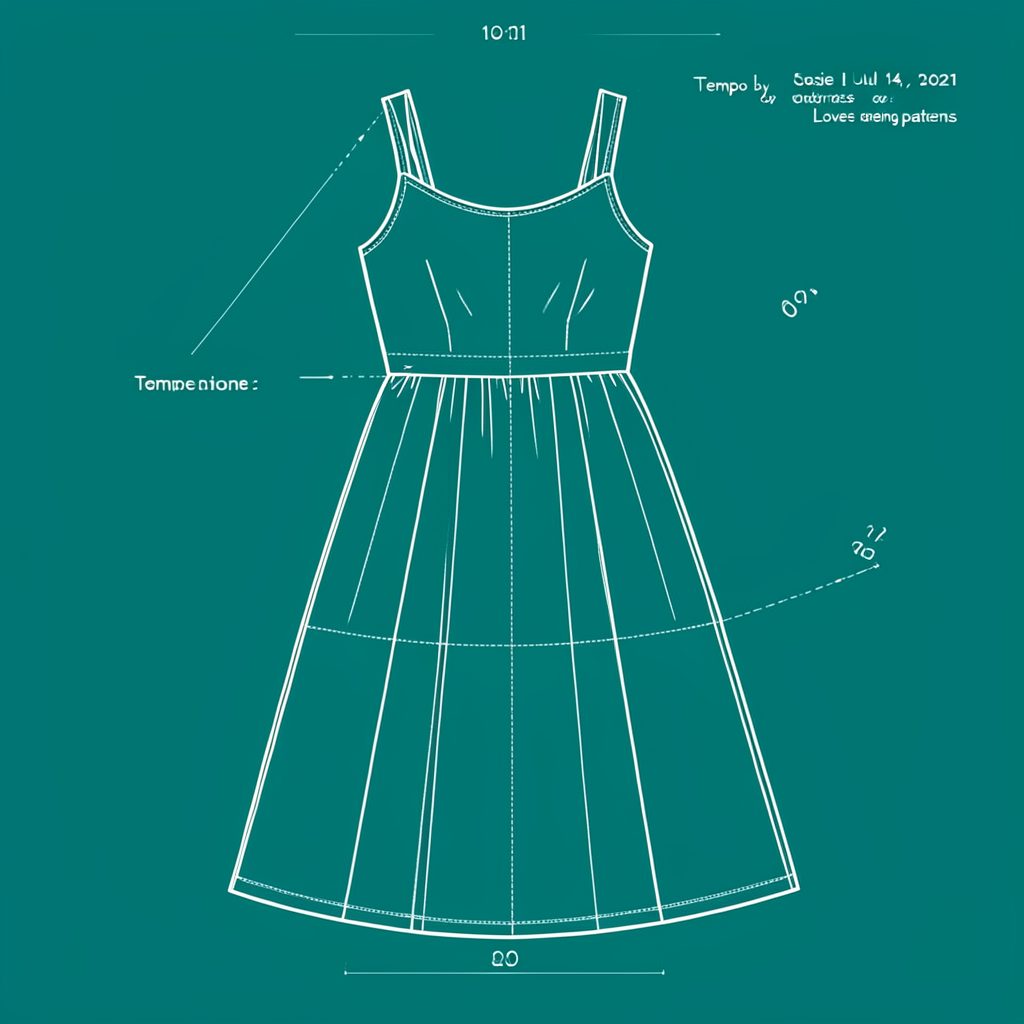
Pattern Review: The Wardrobe By Me Olive Dress
The Olive Dress by Wardrobe By Me is the kind of pattern that earns its place in a handmade wardrobe through frequent wear. It has a clean, contemporary shape, useful options for personalisation, and enough structure to look polished without becoming uncomfortable.
For Australian sewists, it is especially appealing as a warm-weather dress that can move between work, weekends and holidays. The right fabric makes a huge difference, though, because the finished garment can feel relaxed and breathable or rather more tailored and substantial.
I have approached this review from the perspective of a practical sewing project: how the pattern is drafted, what the construction involves, which fabrics are worth considering, and how the Olive Dress might perform in climates ranging from Brisbane humidity to a cooler Victorian winter. More sewing projects and pattern notes can be found on Josie's sewing journal.
The Shape And Pattern Options
The Olive Dress has a simple silhouette with enough detail to stop it looking like a basic shift. Its appeal lies in the balance between ease and definition: the body is comfortable, while the neckline, waist shaping or seam placement gives the garment a deliberate finish.
That versatility makes it suitable for different sewing abilities. A confident beginner can work through the main version with care, while a more experienced sewist may enjoy adjusting the length, changing the sleeve treatment or adding contrast fabric. It is also a useful blank canvas for colour blocking and carefully chosen prints.
The pattern has the potential to become a dependable everyday dress rather than a one-off occasion garment. That matters when fabric prices and postage across Australia can make every project feel like a considered investment.
Fit And Sizing Considerations
Before cutting, take fresh body measurements and compare them with the designer’s chart rather than relying automatically on ready-to-wear sizing. Independent pattern companies use their own blocks, and the size you choose may differ from the size bought in an Australian shop.
Pay close attention to the finished garment measurements as well. A dress with generous ease can look beautifully relaxed in a drapey knit, yet appear oversized in a firm cotton jersey. If you are between sizes, tracing between lines or grading at the waist may produce a more balanced result than choosing one size throughout.
A toile is worthwhile if you are unsure about the bust, shoulder or upper-arm fit. This is particularly helpful for anyone with a fuller bust or a narrower shoulder line, since small changes in those areas can affect the way the whole dress hangs.
Choosing Fabric For The Olive
Fabric selection will largely determine the character of this make. A medium-weight jersey can create a soft, easy-care dress, while a stable knit or structured woven will give the seams and neckline a crisper appearance. Look for fabric with good recovery if the pattern relies on stretch for comfort.
Merino jersey is an excellent option for Australian sewists who want a breathable trans-seasonal garment. It can regulate warmth on changeable days and feels much less clammy than some synthetic knits. Josie’s merino jersey spotlight is useful background reading before committing to that fabric.
Cotton jersey and bamboo jersey are also tempting choices, especially for summer dresses. Bamboo tends to have a fluid drape, while cotton can feel more familiar and stable under the machine. This organic cotton comparison helps explain why two apparently similar fabrics can behave very differently during cutting and sewing.
Sewing The Main Details
The construction should be manageable if you prepare carefully. Transfer the important markings, stabilise areas that may stretch and use a ballpoint or stretch needle for knitted fabric. Testing the stitch on a scrap is a small step that can prevent skipped stitches and wavy seams.
A walking foot can help feed slippery or springy jersey evenly, although it is not essential for every machine. If the fabric curls at the cut edge, allow it to rest before sewing and avoid stretching it as you guide it beneath the presser foot.
Neckline and hem finishes deserve patience. A twin needle can produce a neat professional-looking hem, but a narrow zigzag or coverstitch is also suitable. Pressing with a cloth and using low heat is sensible for delicate fibres, particularly merino and bamboo blends.
Making It Work In Australia
The Olive Dress would be easy to wear through an Australian summer when made in a breathable, light-to-medium weight knit. In Brisbane or Darwin, a loose fit and moisture-friendly fibre will be more comfortable than a dense fabric. In Melbourne, Adelaide or Canberra, the same dress can work with a cardigan, tights or a light jacket when temperatures drop.
Fabric availability can be a practical consideration. Australian makers may buy from Spotlight, local independent fabric shops or online specialists, but stock changes quickly and imported fabric can bring higher shipping costs. Ordering extra fabric for pattern matching or future repairs is often sensible, particularly when a print is difficult to replace.
The dress also suits the Australian habit of dressing across several settings in one day. A simple version can go from a café in Fremantle to errands in Perth, while a darker solid with boots may work for an office in Sydney. For regional sewists, selecting fabrics that wash easily and do not require elaborate care makes the finished garment much more useful.
Personalising The Finished Dress
Length adjustment is probably the first alteration to consider. Petite sewists may prefer a shorter hem, while taller makers might add length through the designated adjustment area rather than extending the bottom edge alone. Check the position of the waist or other horizontal design lines after altering.
Fabric choice can create very different moods. A navy, olive or charcoal solid makes a quiet staple, while a bold floral brings out the pattern’s relaxed side. Stripes require more planning, but they can highlight seam lines beautifully when matching is handled carefully.
Small finishing details can make the project feel personal. Try a contrasting neckband, a carefully chosen label or topstitching in a slightly darker shade. Even miniature accessories can influence how a garment is presented; for display and styling inspiration, these miniature bottle ideas offer an unexpected source of prop inspiration for photographing handmade outfits.
Practical Wear And Durability
The Olive Dress looks best when its fabric, fit and intended use agree. A drapey knit will give a relaxed weekend result, whereas a stable fabric will support a smarter appearance. If you want a dress for travel, avoid fabric that creases heavily or shows every mark.
Care instructions should be considered before sewing, not after the first wash. Prewash and dry the fabric in the same way you expect to launder the garment. This is especially important with natural fibres, which may shrink or change their handle.
Sewists who enjoy technical clothing may also appreciate the logic behind choosing fabric for movement, visibility and changing conditions. Even a thermal hunting guide demonstrates how specialist garments are selected around practical performance, a useful reminder that everyday dresses benefit from the same attention to purpose.
Final Assessment
The Olive Dress is a strong choice for a comfortable handmade wardrobe. Its clean shape gives beginners a clear project to develop their skills, while the fabric and alteration possibilities leave plenty of room for experienced sewists to make the design their own.
For an Australian wardrobe, I would choose a breathable jersey with moderate recovery, make a wearable toile first and check the finished measurements carefully. The result should be easy to style with sandals in summer, sneakers for everyday wear or a jacket when the weather turns cool.
| Consideration | Assessment |
|---|---|
| Overall style | Clean, relaxed and adaptable |
| Best fabrics | Medium-weight jersey, merino, cotton jersey or stable knit |
| Skill level | Confident beginner to intermediate |
| Best for | Everyday wear, travel and casual office dressing |
| Main fitting focus | Bust, shoulders, waist ease and finished length |
| Australian suitability | High, with fabric and layering adjusted for the climate |
| Worth making | Yes, especially as a repeatable wardrobe staple |
A thoughtful fabric choice and a little fitting preparation should turn this pattern into a dress that is worn regularly rather than saved for a special occasion. That practical versatility is what makes the Wardrobe By Me Olive Dress a worthwhile addition to a sewing queue.
Popular Pattern Reviews
| Pattern | Designer | Type | Highlight |
|---|---|---|---|
| Compose Robe (Kids) | Love Notions | Robe / Loungewear | Sizes 2T–16, cosy & practical |
| Tempo Sundress | Love Notions | Sundress | No closures, shirred back panel |
| Arlington Sweater | Love Notions | Sweater | Cold-weather staple |
| Sybil Illusion Skirt | Love Notions | Skirt (knit) | 7 variations, optional pockets |
| Camden Pinafore | Nina Lee Patterns | Pinafore dress | Year-round layering piece |
| Ogden Cami (dress hack) | True Bias | Cami / Dress | Versatile wardrobe builder |
| Burda 6829 | Burda | Dress | Multi-sized, special-occasion |
Stay in Touch
Subscribe to the newsletter for sewing inspiration, pattern tips, and project ideas delivered straight to your inbox.